Seattle is a rewarding place to run a short-term rental, but it is not an easy one. Guests arrive with high expectations, weather changes the cleaning equation almost daily, and turnover windows are often tight enough to make a property manager sweat. A vacation rental in Capitol Hill does not face exactly the same issues as a townhome in West Seattle or a mother-in-law suite near Green Lake, yet they all share one truth: cleanliness is not a nice extra. It is the product.
For Airbnb hosts, the clean is not just about hygiene. It shapes reviews, rebooking rates, pricing power, and whether a guest contacts you with praise or a refund request. A hotel can recover from one imperfect room because it has scale and a front desk. A short-term rental often gets one shot. If the bathroom corners are dusty, the fridge shelf is sticky, or the bed linens smell faintly stale, the guest notices. They always notice.
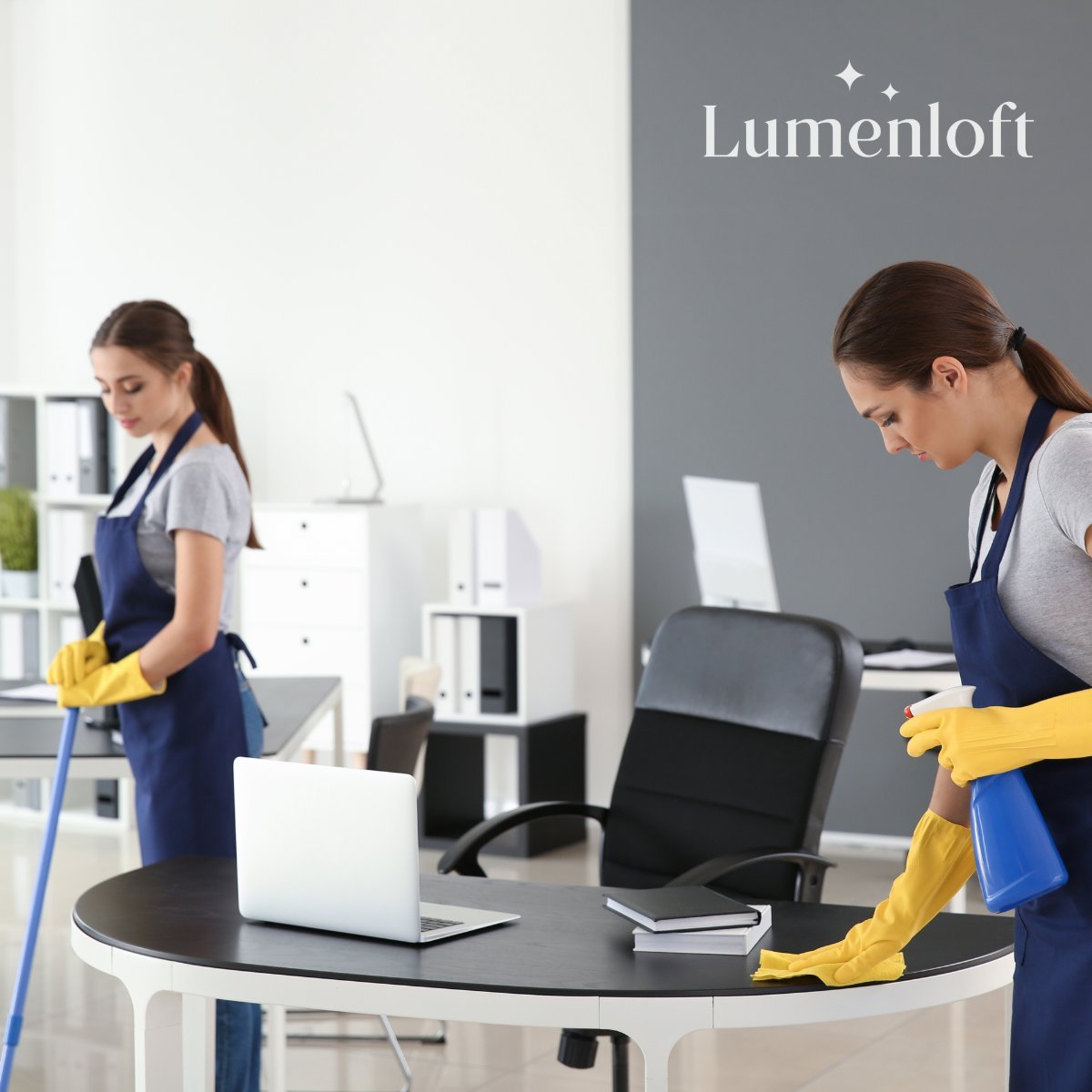
That is why strong Airbnb cleaning services in Seattle are built differently from standard housekeeping. A short-term rental turnover has to move fast, but it also has to catch details that a weekly home cleaning might skip. It needs a repeatable system, a trained eye, and enough flexibility to handle last-minute same-day turnovers without quality slipping.
What makes short-term rental cleaning different
People sometimes assume vacation rental cleaning is basically the same as residential cleaning, just more often. In practice, it is closer to a hybrid of hospitality, property care, and logistics. A cleaner is not simply wiping surfaces and vacuuming. They are resetting the experience.
That means walking into the property with a guest mindset. Does the entry smell fresh? Are the floors free of Seattle grit from wet shoes? Is the shower drain clear? Are there fingerprints on the glass door that catch the afternoon light? Are the coffee supplies stocked and easy to find? Has the couch been checked for crumbs and stray hair, not just fluffed from a distance?
The difference becomes even sharper when the schedule is tight. In a traditional home, if a cleaner misses an under-bed dust patch, the homeowner may never know. In a short-term rental, a guest pulling out a suitcase can find it in ten seconds. The standards are not just higher. They are more visible.
Seattle properties also face specific wear patterns. During rainy months, mud and moisture ride in on footwear. In summer, open windows can bring in pollen and street dust. Urban units near busy corridors collect more grime on sills and entry areas. Homes with views, decks, or pet-friendly policies usually need extra attention on glass, upholstery, and odor control. Good cleaners do not treat every turnover like a generic apartment reset. They read the property.
The hidden cost of a rushed turnover
Hosts often focus on occupancy, nightly rates, and platform fees. Fair enough, those numbers matter. But a weak turnover process quietly erodes revenue in ways that are easy to miss.
A mediocre clean can lead to a four-star rating where a five-star rating was possible. That may not sound dramatic until it happens several times in a season. Search placement, booking conversion, and guest confidence all depend on review quality. One dust bunny under the bed will not bankrupt anyone. A pattern of “mostly clean, but…” reviews can.
There is also the cost of reactive management. When cleaning is inconsistent, hosts spend time fielding complaints, offering partial refunds, arranging emergency re-cleans, and apologizing to incoming guests. That labor has a price, even if it never appears on a formal invoice. If you manage more than one unit, the hours pile up quickly.
I have seen hosts try to save a modest amount per turnover and then lose far more in refunds, blocked calendars, and stress. The cheaper service was not cheaper at all. It simply moved the cost elsewhere.
What a reliable Seattle Airbnb cleaning team actually does
A dependable turnover team does much more than tidy up. They create a stable operating system for the rental. The visible work matters, of course, but the invisible work is what protects hosts from surprises.
A good cleaner starts with a structured reset. Beds are fully stripped and remade, not just smoothed over. Bathrooms are disinfected and dried in a way that prevents streaks and residue. Kitchens are checked for both cleanliness and function, which includes looking inside the microwave, inspecting the coffee maker area, wiping cabinet fronts, and checking the fridge for forgotten items. Towels are staged consistently. Floors are cleaned according to the material, since rushing hardwood or over-wetting laminate can create long-term problems.
Then there is condition reporting. This is where professional service really earns its keep. If a lamp is broken, if the sofa leg is loose, if a wine glass is chipped, if a guest smoked on the patio and left butts in a planter, the host needs to know right away. Many turnover cleaners now send photo documentation and short notes after each job, which can save hours of back-and-forth and help resolve guest disputes.
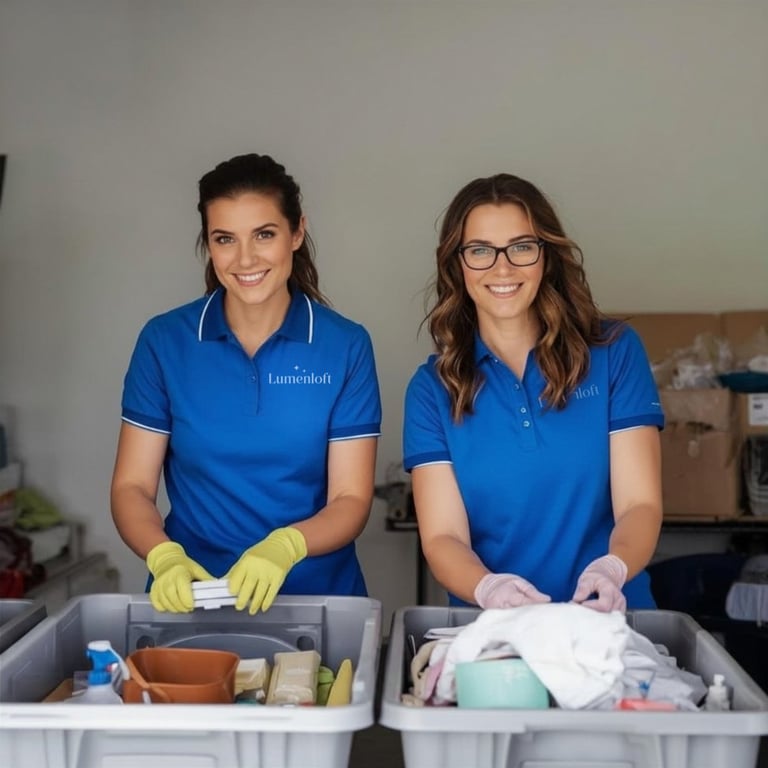
Laundry management is another major factor. Some Seattle hosts have in-unit washers and dryers, which helps, but not always enough. Large homes can generate more linens than one machine can process before check-in. Skilled teams plan around that, sometimes using off-site laundering or carefully timed cycles so that beds, towels, and kitchen textiles are all guest-ready without holding up the clean.
Seattle’s layout changes the job
Anyone offering Airbnb cleaning services in Seattle needs to understand the city beyond a map. Parking is not a small issue. Access instructions matter. Condos with elevators and loading zones require a different workflow than standalone homes with steep exterior stairs. A cleaner serving Belltown, Queen Anne, Ballard, and Columbia City in one day needs route planning that accounts for traffic, key exchange, and building access delays.
This sounds mundane until it causes a late check-in. Then it becomes very important.
Neighborhood style matters too. A compact studio in South Lake Union may need ultra-efficient resets because guest turnover is frequent and storage is limited. A larger family home in Magnolia may require more linen handling, more bathrooms, and closer checks on outdoor areas. Properties near trails, beaches, or sports venues often bring in more sand, mud, or snack debris than hosts expect.
Lumenloft Home CleaningProfessional cleaning services for homes and businesses in the Seattle area.
Covering the following areas:
Auburn, WA
Issaquah, WA
Federal Way, WA
Renton, WA
Bellevue, WA
North Bend, WA
Bonney Lake, WA
Snohomish, WA
Covington, WA
Kent, WA
Phone: 253-478-6024
[email protected]
Weather also changes the standard. During stretches of heavy rain, entry mats, floors, and bathroom ventilation need extra attention. On dry summer weekends, outdoor seating and window smudges become more visible. A team with local experience anticipates these shifts instead of waiting for guests to mention them.
The line between basic cleaning and hospitality-level presentation
Not every clean creates the same impression. There is a meaningful difference between a home that is technically clean and a rental that feels ready. Guests may not have language for that difference, but they feel it immediately.
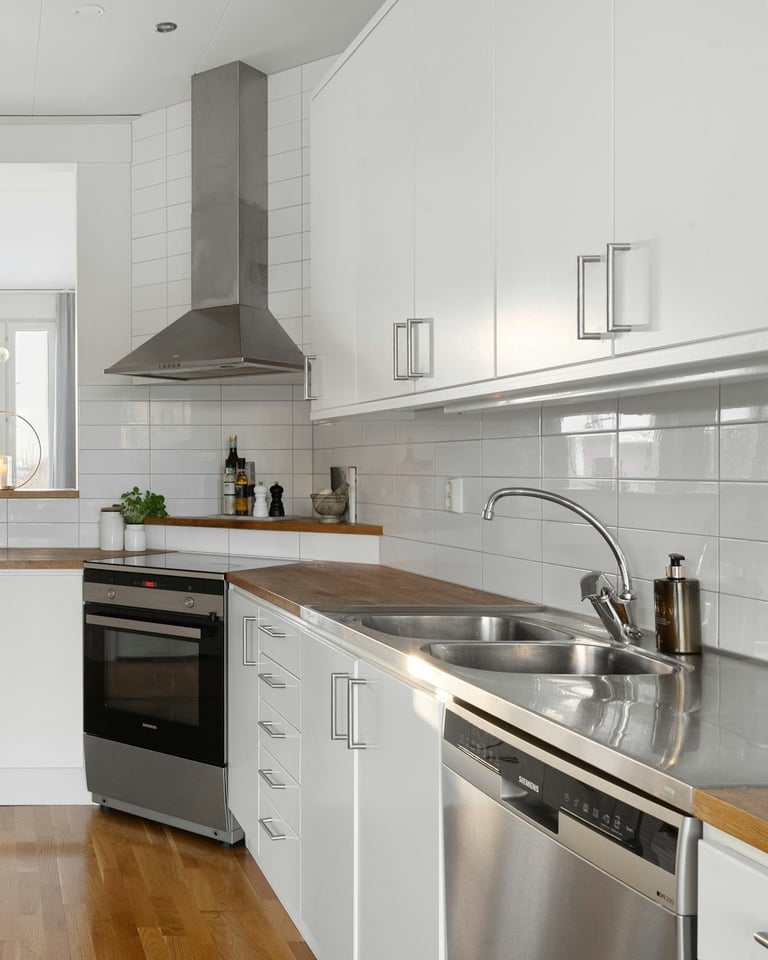
A hospitality-level reset includes small visual and sensory details. Pillows are arranged intentionally. Towels are folded the same way each time. Toilet paper is checked and positioned with a backup visible. Mirrors are polished without haze. Stainless steel is wiped so it does not show cloudy streaks in natural light. Trash liners are replaced neatly, not stuffed awkwardly into the bin. Sinks are dry. The place smells neutral and fresh, not masked with heavy fragrance.
That last part matters more than many people think. Strong scented products can trigger complaints, especially from guests sensitive to fragrances. A clean rental should smell like nothing unpleasant, not like a perfume aisle. Experienced cleaners know how to eliminate odors at the source instead of covering them up.
Where hosts most often misjudge their cleaning needs
The biggest mistake is assuming the job can be standardized too aggressively. A host may try to assign the same turnover time to every unit, regardless of layout, occupancy, or laundry load. That rarely works well.
Another common mistake is undervaluing the communication side of the service. A cleaner who does a decent wipe-down but does not report damage, low supplies, or unusual guest behavior creates risk. The surface may look fine in the moment, but the host is flying blind.
There is also a tendency to compare short-term rental cleaning with ordinary house cleaning rates without factoring in the extra expectations. Residential cleaning services in Seattle often operate on recurring schedules with stable conditions. An Airbnb turnover is more demanding. It has a deadline tied to guest arrival, it often includes laundry and restocking, and it usually requires greater consistency because each visit is effectively a reset for a new customer.
That does not mean every host needs the most expensive service in the market. It does mean the comparison should be fair. You are not paying only for mopping and dusting. You are paying for reliability under pressure.
What to look for before hiring a turnover cleaning company
There are a few signs that separate a serious short-term rental cleaning partner from a general cleaner trying to fill calendar space. The right fit is not just about whether they can clean well on a calm Tuesday. It is about whether they can support your operation during a chaotic holiday weekend when one guest checks out late, another arrives early, and the linen closet is suddenly missing pillowcases.
A useful screening checklist looks like this:
Ask how they handle same-day turnovers, especially when laundry volume is heavy. Ask whether they provide damage reports, restock notes, or photo updates after each clean. Ask who supplies cleaning products, paper goods, and linens, and how shortages are flagged. Ask how they manage access issues, parking delays, and schedule changes across Seattle neighborhoods. Ask whether they have experience with short-term rentals specifically, not just homes or offices.Those questions reveal a lot. A cleaner may be excellent in a private residence but struggle with the pace and documentation a rental requires. On the other hand, a company that works regularly with hosts usually has systems in place for inventory checks, lockbox access, and guest-ready presentation.
The value of consistent standards across multiple property types
Many operators in the region manage more than one kind of property. They may host an Airbnb in Seattle, oversee a long-term rental in the suburbs, or run a small office alongside residential units. In that setting, consistency matters even more than speed.
This is where companies with broader experience can help, assuming they actually tailor the work. A team familiar with Professional Commercial Cleaning Services in Seattle may bring stronger documentation, scheduling discipline, and quality control. Those habits can be useful in a short-term rental environment, especially for multi-unit operators. At the same time, commercial methods alone are not enough. An office clean does not prepare a guest bedroom. The best providers know when to borrow commercial precision and when to shift into hospitality mode.
The same goes for regional coverage. Hosts who own or manage beyond city limits often appreciate one provider that can handle different service areas. If someone needs Professional Cleaning in Renton for a secondary property or Cleaning Services in Issaquah for a furnished rental used by traveling professionals, unified communication can reduce a lot of administrative hassle. The trick is making sure the service style remains property-appropriate. A vacation rental should never feel like it was cleaned with an office checklist.
Supplies, linens, and the small details that create big problems
Most guest complaints are not dramatic. They are annoyingly small. The dishwasher pod is missing. One pillowcase has a stain. There are only two washcloths in a unit that sleeps four. The shower curtain smells damp. The hand soap bottle is almost empty. None of these issues are catastrophic, yet each one chips away at trust.
That is why strong turnover service includes inventory awareness. Cleaners are often the first people to notice when stock levels are drifting down or when owners have ordered products that do not fit the property’s pace. For example, decorative throw blankets are nice in photos, but if they are hard to launder quickly between stays, they become a burden. White towels photograph well and signal cleanliness, but they need disciplined stain treatment and timely replacement.
The smartest hosts simplify where they can. They choose durable bedding, easy-to-wipe surfaces, enough towel inventory to survive a busy week, and clearly labeled owner closets. They make it easy for cleaners to succeed. In return, cleaners can move faster and make fewer avoidable errors.
A practical supply setup usually includes:
At least two full linen sets per bed, with extras for high-occupancy units. A clear backup stock of toilet paper, paper towels, trash bags, and hand soap. Consistent, property-safe cleaning products for wood, stone, glass, and stainless steel. Replacement basics such as light bulbs, batteries, and a few spare dishware items. A simple restock system so cleaners can report low items before they become guest complaints.That kind of preparation sounds simple because it is. It is also one of the easiest ways to improve turnover quality without adding much cost.
Why communication matters as much as the scrub
A host can forgive a small issue more easily than silence. If a cleaner notices that the prior guest left at 11:25 instead of 11:00, if the duvet cover has an unremovable stain, or if the garbage room in the building is unexpectedly locked, the host needs that information quickly. Communication is not a bonus feature. It is part Cleaning Services in Renton lumenloftwa.com of the service.
The best teams tend to develop a concise rhythm. They confirm access, clean to a standard checklist, send notes when needed, and flag anything unusual before the next guest arrives. The host is not flooded with chatter, but they are not left guessing either.
For remote owners, this can be the difference between calm management and constant anxiety. A strong cleaner becomes the eyes and ears of the property. They spot moisture under a sink before it becomes cabinet damage. They notice when a mattress protector is missing. They catch patio cushions blowing into the alley after a windy night. None of that shows up in a standard square-foot estimate, yet it has real value.
Pricing, expectations, and why the lowest bid rarely wins
Rates for Airbnb cleaning services in Seattle vary widely, and they should. A one-bedroom condo with no parking hassle and simple laundry is not the same job as a three-bedroom home with two baths, a hot tub, pet-friendly bookings, and back-to-back turnovers on summer weekends.
When pricing feels all over the place, it usually reflects one of three things. The first is property complexity. The second is whether laundry and restocking are included. The third is whether the company has built enough operational depth to be dependable when schedules tighten.
Cheap service can be perfectly fine if the property is simple and expectations are modest. But if your listing competes at a higher nightly rate, if reviews drive a large share of your bookings, or if you manage multiple units, the cheapest option often becomes the most expensive one in practice. One missed turnover or one ugly review can erase months of minor savings.
A fair quote should reflect the real labor, not a fantasy version of it. If you want fridge checks, linen laundering, staged beds, guest-ready kitchens, and condition reporting, it is reasonable to pay for that level of care.
How Airbnb cleaning fits with broader home care
There is often overlap between short-term rental needs and ordinary household upkeep, especially for owner-occupied duplexes, mother-in-law units, and part-time vacation homes. Some clients start with Airbnb turnovers and later add deeper recurring support. Others come from the opposite direction, using Residential Cleaning Services in Seattle for their main home while seeking a more specialized process for a guest unit.
That overlap can be helpful, but only if the distinction stays clear. A pleasant weekly house clean may focus on comfort and maintenance. A short-term rental turnover is more exacting because it has to satisfy a stranger who is seeing the property for the first time. The cleaner is not preserving familiarity. They are creating confidence.
For hosts with mixed portfolios, that means defining separate standards for each space. Your own home can tolerate a little life between cleanings. Your rental usually cannot.
Building a cleaning partnership that lasts
The best cleaning relationships are collaborative. Hosts who get the strongest results tend to share clear expectations, accurate turnover windows, access instructions, and property notes that actually help. Cleaners, in turn, bring structure, consistency, and honest feedback about what the property needs to perform well.
That feedback can be surprisingly valuable. A seasoned turnover cleaner may suggest adding more bath mats for rainy months, removing unnecessary decor that collects dust, switching to duvet inserts that dry faster, or storing backup supplies in labeled bins instead of mixed bags. These are not glamorous changes, but they improve the workflow and the guest experience.
Good hosts listen when a cleaner says, “This setup slows us down,” or “Guests keep using the white makeup towels on dark mascara.” Operational friction always surfaces somewhere. Better to fix it upstream than absorb it during every turnover.
Seattle’s short-term rental market rewards details. Guests have options, and they compare everything, often without saying much until the review posts. The hosts who stay ahead are usually the ones who treat cleaning as part of brand management, not just a chore to outsource.
A spotless sink, crisp sheets, dry floors on a rainy day, and a timely note about a broken mug may seem like small things on their own. Together, they create the experience guests remember. And in the short-term rental business, remembered details are what keep calendars full.